


Best Practice for Draught Proofing Sash Windows
Draught proofing sash windows is most effective when it follows a repair-first, seal-second approach. The aim is to reduce air leakage while preserving the window’s function, appearance and longevity—particularly important for period and listed buildings.
Below is accepted best practice used by professionals and conservation specialists.
1. Inspect Before You Seal
Always assess the condition of the window first. Look for:
- Gaps around the frame and sashes
- Loose joints at meeting rails
- Cracked putty or sealant
- Worn paint layers
- Timber damage or early-stage rot
Sealing over defects without repairing them first will lead to poor results and premature failure.
2. Repair Timber Before Draught Proofing
Sound timber is essential for effective draught proofing.
Best practice includes:
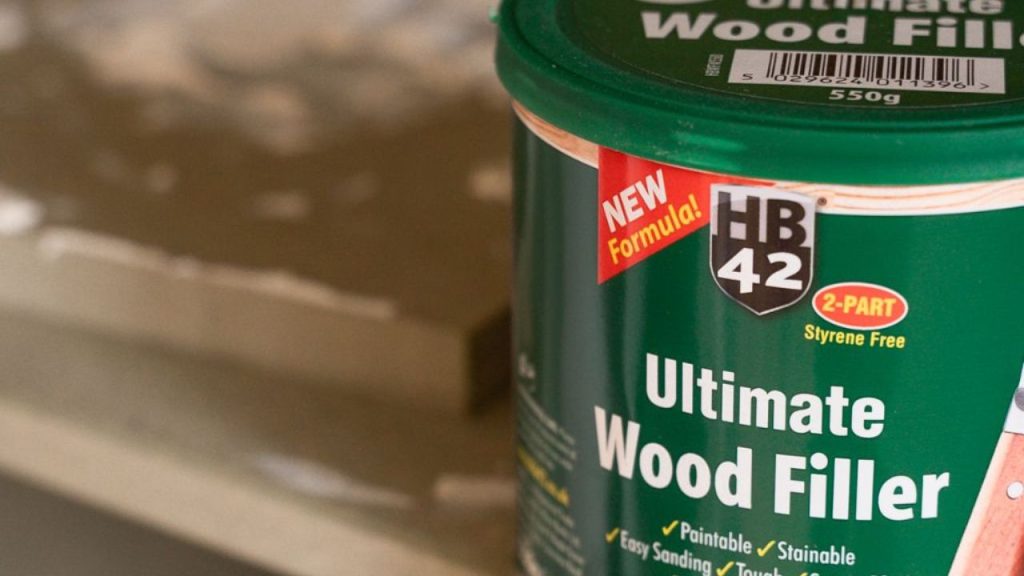
- Filling cracks, holes and surface damage with a suitable wood filler
- Repairing loose joints before sealing
- Replacing severely rotten timber rather than filling it
Repairs should be fully cured, sanded smooth and primed before sealing or painting.
3. Use Flexible, Paintable Sealants
Sash windows move naturally with changes in temperature and humidity.
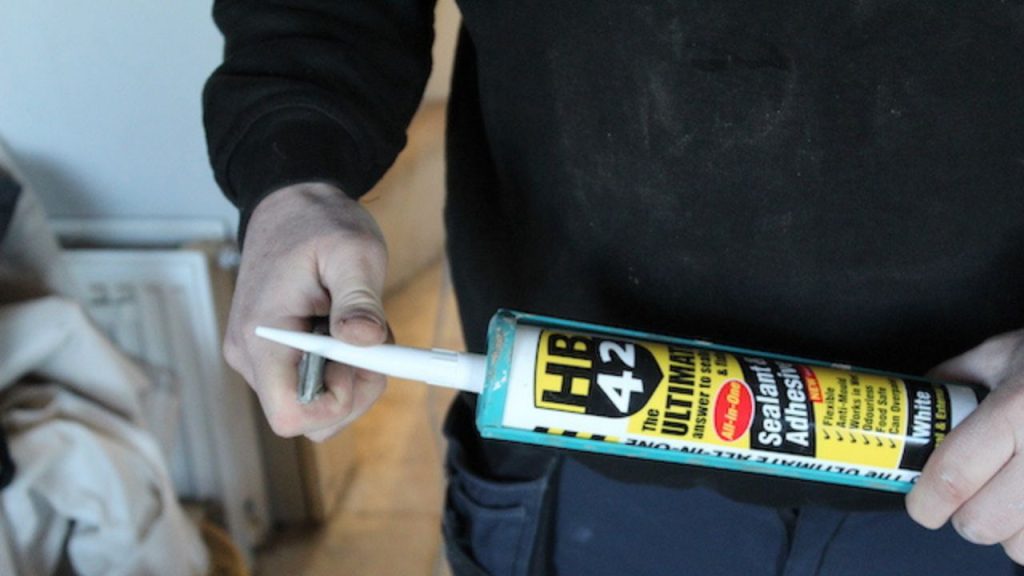
Best practice sealant characteristics:
- Flexible (not brittle when cured)
- Paintable once set
- Suitable for timber and masonry
- Weather resistant for external use
Avoid hard fillers or rigid sealants in joints that are subject to movement.
4. Seal the Correct Areas (Not Everything)
Only seal areas that should be airtight.
Do seal:
- Gaps between the window frame and wall
- Internal joints and seams
- Cracks in timber frames
Do NOT seal:
- Sash channels where windows slide
- Drainage or ventilation points
Blocking movement or airflow paths can cause condensation, sticking sashes or timber decay.
5. Combine Sealing With Proper Draught Strips
Brush or compression seals are highly effective when used correctly.
Best practice:
- Fit draught strips after timber repairs and sealing
- Ensure seals are discreet and appropriate for sash windows
- Avoid over-tight seals that restrict smooth operation
Professional systems often integrate seals into parting beads and staff beads for minimal visual impact.
6. Maintain Window Function
A well-draught-proofed sash window should still:
- Open and close smoothly
- Lock correctly
- Allow ventilation when required
Always test operation during and after work.
7. Protect Repairs With Paint
Paint is part of the draught-proofing system.
Best practice includes:
- Priming bare timber and filled areas
- Using breathable paint systems
- Maintaining paintwork regularly to prevent future gaps
Poor paint maintenance is a major cause of recurring draught issues.
8. Take a Conservation-Led Approach Where Needed
For heritage or listed buildings:
- Use reversible methods where possible
- Avoid altering original profiles
- Choose materials compatible with traditional timber windows
Draught proofing is often encouraged by conservation officers as an alternative to window replacement.
9. Address Condensation Risk
Improved airtightness can increase condensation if ventilation is inadequate.
Best practice:
- Retain or introduce controlled ventilation
- Avoid sealing rooms completely airtight
- Monitor humidity levels indoors
Summary: Best Practice at a Glance
✔ Repair before sealing
✔ Use flexible, paintable materials
✔ Seal gaps—not moving parts
✔ Combine with discreet draught strips
✔ Preserve window operation and ventilation
✔ Maintain paintwork
When carried out correctly, draught proofing can dramatically improve comfort, energy efficiency and window lifespan—without compromising the character of traditional sash windows.






0 Comments